
Tattoo Studio Hygiene: What Every Client Should Check
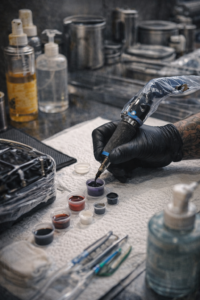
Getting a tattoo is not just about the design. It is also about your safety. A professional tattoo studio should meet strict hygiene standards to protect you from infections, complications, and poor healing outcomes.
While most people focus on choosing the right artist, understanding tattoo studio hygiene is just as important. A clean, well-managed environment ensures your experience is safe from start to finish.
At Lab of Ink, we believe that safety is non-negotiable. This guide will help you understand exactly what to look for before you sit in the chair.
Why Tattoo Studio Hygiene Matters
A tattoo involves breaking the skin, which means there is always a risk of infection if proper procedures are not followed.
Poor hygiene can lead to:
Skin infections
Bloodborne diseases
Allergic reactions
Poor healing and damaged tattoos
A reputable studio follows strict sanitation protocols to eliminate these risks and protect both clients and artists.
1. Clean and Organised Environment
The first thing you should notice when entering a studio is the overall cleanliness.
What to Look For
Clean floors, surfaces, and workstations
No clutter or unnecessary items around tattoo areas
Proper lighting and ventilation
Why It Matters
A clean environment reflects professional standards. If the front area looks neglected, it raises concerns about hygiene practices behind the scenes.
2. Sterile Equipment and Single-Use Tools
Tattooing requires tools that come into direct contact with your skin and blood.
What to Look For
Needles that are opened from sealed, sterile packaging
Disposable items such as gloves, ink caps, and razors
Proper disposal containers for used sharps
Why It Matters
Single-use tools prevent cross-contamination between clients. Reusing equipment is unsafe and should never happen in a professional studio.
3. Proper Hand Hygiene and Protective Gear
Your artist’s hygiene is just as important as the studio itself.
What to Look For
Artists washing hands before and after each session
Use of disposable gloves at all times during the procedure
Changing gloves when switching tasks
Why It Matters
Gloves and hand hygiene prevent the transfer of bacteria and contaminants during the tattoo process.
4. Use of Approved Cleaning and Disinfection Products
Professional studios use medical-grade disinfectants to maintain a sterile workspace.
What to Look For
Surfaces wiped down before and after each client
Use of approved disinfectants for equipment and chairs
Clean barriers on machines and work areas
Why It Matters
Proper disinfection kills harmful bacteria and viruses, reducing the risk of infection.
5. Safe Ink Handling Practices
Ink may seem harmless, but it can become contaminated if handled incorrectly.
What to Look For
Ink poured into single-use caps
No dipping into large ink bottles during the session
Proper disposal of leftover ink
Why It Matters
Using fresh ink for each client prevents cross-contamination and ensures safety.
6. Licensing and Health Compliance
A professional tattoo studio should follow local health regulations and hold proper certifications.
What to Look For
Visible licences and permits
Compliance with health department standards
Trained and certified artists
Why It Matters
Licensing ensures the studio meets minimum safety requirements and operates legally.
7. Clear Aftercare Guidance
Hygiene does not stop when your session ends.
What to Look For
Detailed aftercare instructions
Recommended products for healing
Willingness to answer questions
Why It Matters
Proper aftercare reduces infection risk and ensures your tattoo heals correctly.
Red Flags to Avoid
Knowing what to avoid is just as important as knowing what to look for.
Be cautious if you notice:
Reused needles or equipment
Dirty or cluttered workstations
Artists not wearing gloves
Lack of visible licences
Poor communication about hygiene practices
If something feels off, trust your instincts and choose another studio.
Questions You Should Ask Before Getting Tattooed
Do not hesitate to ask questions. A professional studio will always be transparent.
Consider asking:
Are all needles single-use and sterile?
How do you disinfect your equipment?
What aftercare steps do you recommend?
Are your artists licensed and trained?
Clear answers show professionalism and confidence in their process.
The Lab of Ink Hygiene Standards
At Lab of Ink, we prioritise safety at every stage of the tattoo process.
We maintain:
Strict sterilisation protocols
Single-use, disposable equipment
Clean and sanitised workstations
Fully trained and experienced artists
Clear aftercare guidance for every client
Our goal is to provide not only exceptional tattoos but also a safe and comfortable experience for every client.
What a Safe Tattoo Experience Should Feel Like
A professional studio should make you feel:
Confident in their hygiene practices
Comfortable asking questions
Assured that your safety comes first
If you feel rushed, uncertain, or uneasy, it may not be the right place for you.
Frequently Asked Questions
Can I get an infection even in a clean studio?
While the risk is very low in a professional environment, improper aftercare can still lead to infection.
Are all tattoo studios regulated?
Regulations vary by location, but reputable studios follow strict hygiene standards regardless.
Should I bring my own aftercare products?
Most studios recommend specific products. It is best to follow your artist’s advice.
How do I know if equipment is sterile?
Always check that needles are opened in front of you from sealed packaging.