
How Tattoo Pricing Works: What You Need to Know
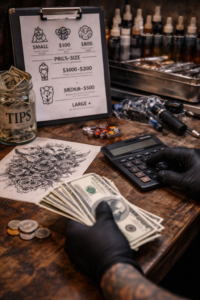
One of the most common questions people ask before getting a tattoo is simple: how much will it cost? The answer, however, is not always straightforward. Unlike many services, tattoo pricing is not fixed. It varies based on several important factors, including size, detail, placement, and the experience of the artist.
Understanding how tattoo pricing works helps you plan your budget properly and avoid surprises. More importantly, it allows you to make informed decisions without compromising on quality.
At Lab of Ink, we believe in transparency. This guide breaks down exactly what goes into the cost of a tattoo so you can approach your next piece with confidence.
Why Tattoo Pricing Is Not Standardised
Tattooing is a form of art. Every piece is unique, and each artist brings their own level of skill, experience, and creative input.
Unlike products with fixed prices, tattoos are priced based on:
Time required to complete the piece
Complexity of the design
Technical skill involved
Customisation and preparation
This is why two tattoos of similar size can have very different prices.
1. Size of the Tattoo
Size is one of the most obvious factors affecting cost.
How It Impacts Pricing
Small tattoos require less time and materials
Larger tattoos take multiple hours or sessions
Full sleeves or back pieces involve long-term work
What to Expect
Larger tattoos naturally cost more because they require more time, precision, and effort from the artist.
2. Design Complexity and Detail
The level of detail in your tattoo significantly affects pricing.
Simple Designs
Minimal shading
Basic line work
Faster to complete
Complex Designs
Fine details and textures
Realism or intricate patterns
Multiple elements and layers
Why It Matters
More detailed tattoos require more time and a higher level of skill, increasing the overall cost.
3. Tattoo Placement on the Body
Where you place your tattoo also influences pricing.
Easier Areas
Flat surfaces like the forearm or thigh
Allow for faster, smoother application
Challenging Areas
Hands, ribs, feet, and joints
Require more precision and can take longer
Why It Matters
Difficult placements can slow down the process and require additional expertise, which can increase the price.
4. Artist Experience and Skill Level
The experience of your tattoo artist plays a major role in pricing.
Less Experienced Artists
Lower rates
May still be developing their style
Experienced Artists
Higher rates
Strong portfolio and consistent results
Why It Matters
You are not just paying for the tattoo. You are paying for the artist’s skill, experience, and ability to deliver high-quality work.
5. Custom vs Flash Designs
The type of design you choose affects pricing as well.
Flash Tattoos
Pre-designed and ready to go
Usually quicker and more affordable
Custom Tattoos
Created specifically for you
Require design time and consultation
Why It Matters
Custom tattoos involve additional creative work, which is reflected in the price.
6. Time-Based Pricing (Hourly Rates)
Many tattoo artists charge by the hour, especially for larger or more complex pieces.
How It Works
You pay for the time spent tattooing
Larger projects may require multiple sessions
Why It Matters
This ensures fair pricing based on the actual work involved rather than a fixed estimate.
7. Studio Standards and Equipment
A professional studio invests in quality equipment, hygiene, and client experience.
What You Are Paying For
Sterile, single-use equipment
High-quality inks and materials
Clean and safe environment
Why It Matters
Lower prices often come at the expense of safety or quality. A reputable studio prioritises both.
Tattoo Pricing Examples
While exact prices vary, here is a general idea:
Small, simple tattoo: lower price range
Medium, detailed tattoo: moderate price range
Large or complex tattoo: higher investment
Keep in mind that these are estimates. The final price depends on your specific design and artist.
How to Budget for Your Tattoo
Planning your budget helps you avoid cutting corners on quality.
Tips for Budgeting
Decide on your design and size first
Research artists and their pricing
Be prepared for consultation fees or deposits
Allow for potential touch-ups
Investing in a quality tattoo is always worth it in the long run.
Why Cheaper Tattoos Can Cost More Later
Choosing a tattoo based solely on price can lead to problems.
Low-cost tattoos may result in:
Poor line work or uneven shading
Fading or patchy healing
Need for expensive cover-ups or corrections
A high-quality tattoo done right the first time saves you money and stress in the future.
The Lab of Ink Pricing Approach
At Lab of Ink, we focus on delivering value through quality and transparency.
We provide:
Clear consultations and pricing guidance
Honest estimates based on your design
High standards of artistry and hygiene
Our goal is to ensure you understand exactly what you are paying for and feel confident in your investment.
Questions to Ask Before Booking
Before committing to a tattoo, ask:
Is pricing hourly or fixed?
How long will the tattoo take?
Are there additional costs for custom design?
Will multiple sessions be required?
Clear communication helps avoid misunderstandings.
Frequently Asked Questions
Are tattoos priced per hour or per piece?
Both methods are used. Small tattoos are often priced per piece, while larger ones are usually hourly.
Do I need to leave a deposit?
Most studios require a deposit to secure your booking. This is usually deducted from the final price.
Why do experienced artists charge more?
They offer higher skill, consistency, and better long-term results.
Can I negotiate tattoo prices?
Tattoo pricing reflects time and expertise. It is not typically negotiable.