
Tattoo Touch-Ups: When and Why You Need One
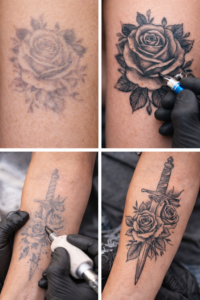
Tattoos are designed to last a lifetime, but that does not mean they will always look the same as the day you got them. Over time, natural changes in your skin, lifestyle factors, and even the healing process can affect how your tattoo appears.
This is where tattoo touch-ups come in. A touch-up is a simple way to restore your tattoo’s sharpness, colour, and overall appearance.
At Lab of Ink, we help clients maintain their tattoos long after the initial session. This guide explains when you might need a touch-up, why it matters, and how to keep your ink looking fresh for years.
What Is a Tattoo Touch-Up?
A tattoo touch-up is a follow-up session where an artist refines or restores parts of an existing tattoo.
This can include:
Reinforcing faded lines
Restoring colour vibrancy
Fixing uneven healing
Sharpening details
Touch-ups are a normal part of tattoo maintenance and are often recommended after the initial healing process.
Why Tattoos Sometimes Need Touch-Ups
Even with the best artist and proper aftercare, tattoos can change over time.
Common reasons include:
Natural skin regeneration
Sun exposure
Friction from clothing
Placement on high-movement areas
Healing inconsistencies
These factors can cause fading, patchiness, or slight distortion.
When Should You Get a Tattoo Touch-Up?
Timing is important when it comes to touch-ups.
1. After the Initial Healing Process
The most common time for a touch-up is shortly after your tattoo has healed.
Typical Timeline
4 to 8 weeks after your session
Why It Matters
Some areas may heal lighter or unevenly. A touch-up ensures consistency and sharpness.
2. When You Notice Fading
Over time, tattoos naturally lose some intensity.
Signs You Need a Touch-Up
Lines appear less sharp
Colours look dull
Details are less defined
This usually happens gradually over months or years.
3. After Sun Exposure or Skin Changes
External factors can affect your tattoo’s appearance.
Common Causes
Frequent sun exposure
Weight changes
Skin ageing
A touch-up can restore clarity and balance.
4. For High-Friction Areas
Certain placements are more prone to wear.
Examples
Hands and fingers
Feet
Inner arm
These areas may require more frequent touch-ups due to constant movement and contact.
Signs Your Tattoo Needs a Touch-Up
Not every tattoo needs immediate correction, but watch for these signs:
Uneven colour or patchy areas
Blurred or fading lines
Loss of detail in intricate designs
Dull overall appearance
If your tattoo no longer looks as crisp as it should, it may be time for a refresh.
How Tattoo Touch-Ups Work
A touch-up session is usually quicker than the original appointment.
What to Expect
The artist assesses your tattoo
Problem areas are identified
Ink is reapplied where needed
Minor adjustments may be made
The process is similar to getting a tattoo but often less time-consuming.
Does a Touch-Up Hurt?
Pain levels are usually similar to the original tattoo but may feel less intense depending on the area and extent of the work.
Since touch-ups focus on specific sections, sessions are typically shorter and more manageable.
How to Prepare for a Tattoo Touch-Up
Preparation is similar to your initial tattoo session.
Before Your Appointment
Ensure your tattoo is fully healed
Stay hydrated
Avoid sunburn on the area
Follow any instructions from your artist
Proper preparation helps achieve the best results.
How to Care for Your Tattoo After a Touch-Up
Aftercare remains essential, even for minor work.
Follow These Steps
Clean the area gently
Apply a thin layer of moisturiser
Avoid sun exposure
Do not pick or scratch
Treat your touch-up like a new tattoo to ensure proper healing.
How to Prevent the Need for Frequent Touch-Ups
While some fading is natural, you can extend the life of your tattoo with proper care.
1. Protect Your Tattoo from the Sun
UV exposure is one of the biggest causes of fading.
What to Do
Use sunscreen once healed
Avoid prolonged sun exposure
2. Keep Your Skin Hydrated
Healthy skin supports long-lasting tattoos.
What to Do
Moisturise regularly
Stay hydrated
3. Follow Proper Aftercare
Good aftercare from the start reduces the need for corrections later.
4. Choose the Right Placement
Areas with less friction and movement tend to hold tattoos better over time.
Are Tattoo Touch-Ups Always Necessary?
Not every tattoo requires a touch-up. High-quality work combined with proper aftercare can last for years without needing adjustments.
However, touch-ups are a normal part of maintaining your tattoo, especially for detailed or high-exposure designs.
The Lab of Ink Approach to Touch-Ups
At Lab of Ink, we view tattoo touch-ups as part of our commitment to quality.
We provide:
Honest guidance on whether a touch-up is needed
Precision work to restore your tattoo
Ongoing support to maintain your ink
Our goal is to ensure your tattoo continues to look its best over time.
Common Misconceptions About Tattoo Touch-Ups
“A good tattoo should never need a touch-up”
Even great tattoos can require minor adjustments due to natural skin changes.
“Touch-ups will damage the tattoo”
When done correctly, touch-ups enhance and preserve the tattoo.
“Only old tattoos need touch-ups”
Some tattoos may need minor corrections shortly after healing.
Frequently Asked Questions
How long should I wait before getting a touch-up?
Wait until your tattoo is fully healed, usually 4 to 8 weeks.
Are touch-ups free?
Some studios offer free touch-ups within a certain period. Always check with your artist..
How often will I need a touch-up?
This depends on factors like placement, lifestyle, and aftercare.
Will a touch-up make my tattoo look new again?
Yes. A touch-up can significantly improve clarity, colour, and overall appearance.