
Tattoo Cover-Ups: Transforming Old Ink
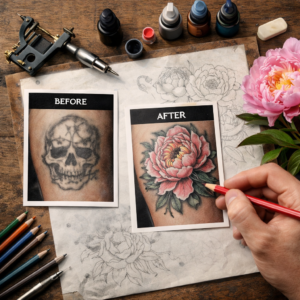
Not every tattoo stands the test of time. What once felt meaningful or exciting can lose its appeal due to changes in style, life circumstances, or poor execution. The good news is that you do not have to live with a tattoo you no longer love.
Tattoo cover-ups offer a powerful solution. With the right artist and design, old ink can be transformed into something new, refined, and meaningful.
At Lab of Ink, we specialise in turning unwanted tattoos into artwork clients are proud to wear again. This guide explains how cover-ups work, what to expect, and how to choose the right approach.
What Is a Tattoo Cover-Up?
A tattoo cover-up involves designing a new tattoo that completely or partially hides an existing one.
Instead of removing the old tattoo, the artist works with:
The original shape and size
Existing ink density
Placement on the body
The goal is to create a new design that blends seamlessly over the old tattoo, making it no longer visible.
Why People Choose Tattoo Cover-Ups
There are many reasons clients seek cover-ups:
The tattoo no longer reflects their personality
Poor quality or faded work
Changes in style or preferences
Names or symbols with personal history
Impulsive or outdated designs
A cover-up allows you to move forward without starting from scratch.
How Tattoo Cover-Ups Work
Cover-ups are more complex than regular tattoos. They require careful planning and technical expertise.
1. Assessing the Existing Tattoo
The artist will first evaluate:
Size and shape
Colour and darkness
Age and fading
Skin condition
This assessment determines what is possible and how the new design should be approached.
2. Choosing the Right Design
Not all designs can cover an existing tattoo effectively.
Key Considerations
Darker colours are often needed to mask old ink
Larger designs provide better coverage
Complex patterns help hide underlying shapes
The new design must work with the existing tattoo, not against it.
3. Adapting the Design
Your artist will customise the design to:
Blend with the original tattoo
Hide unwanted lines or shapes
Maintain a natural flow with your body
This step is where experience and creativity are essential.
Best Tattoo Styles for Cover-Ups
Certain styles are more effective for cover-ups due to their structure and density.
Black and Grey Tattoos
Strong shading helps conceal old ink
Ideal for blending and layering
Blackwork Tattoos
Heavy black areas provide full coverage
Works well for darker or heavily inked tattoos
Neo-Traditional Tattoos
Bold outlines and rich colours
Allows for creative reinterpretation
Realism Tattoos
Detailed shading can disguise previous designs
Requires a highly skilled artist
Choosing the right style increases the success of your cover-up.
What Makes a Good Cover-Up Design
A successful cover-up is not just about hiding the old tattoo. It should also stand on its own as a strong design.
Key Elements
Proper size and placement
Strategic use of colour and shading
Creative composition
Balance between coverage and aesthetics
The goal is to create a tattoo that looks intentional, not forced.
When Laser Removal May Be Needed
In some cases, a cover-up alone may not be enough.
When to Consider Laser Removal
The existing tattoo is very dark or dense
The design is too large to cover effectively
You want a lighter or more detailed new design
Laser sessions can lighten the tattoo, making it easier to cover.
What to Expect During a Cover-Up Session
The process is similar to getting a regular tattoo but may require more time and precision.
What Happens
Design consultation and planning
Stencil placement over the old tattoo
Careful layering of new ink
Some cover-ups may require multiple sessions for the best results.
Does a Cover-Up Hurt More?
Pain levels are generally similar to a standard tattoo. However, areas with existing scar tissue or dense ink may feel slightly more sensitive.
Aftercare for Tattoo Cover-Ups
Aftercare is crucial to ensure the new tattoo heals properly.
Follow These Steps
Clean gently with unscented soap
Apply a thin layer of moisturiser
Avoid sun exposure
Do not pick or scratch
Proper healing ensures the cover-up looks clean and consistent.
Common Mistakes to Avoid
Cover-ups require careful decision-making.
Avoid these mistakes:
Choosing a design that is too small
Expecting complete invisibility without proper planning
Going to an inexperienced artist
Skipping consultation
A rushed cover-up can lead to more problems later.
How to Choose the Right Artist for a Cover-Up
Not all tattoo artists specialise in cover-ups.
Look For
Experience with cover-up work
Before-and-after examples
Strong shading and composition skills
Ability to customise designs
At Lab of Ink, our artists are experienced in transforming old tattoos into new pieces.
Frequently Asked Questions
Can any tattoo be covered up?
Most tattoos can be covered, but some may require laser fading first.
Will the old tattoo still be visible?
A well-executed cover-up should fully conceal the old design, though this depends on the original tattoo.
Are cover-ups more expensive?
Yes. They require more time, skill, and planning than standard tattoos.
How long does a cover-up take?
It depends on the size and complexity. Some require multiple sessions.