
Beginner’s Guide to Tattoo Styles: Find the Right Style for You
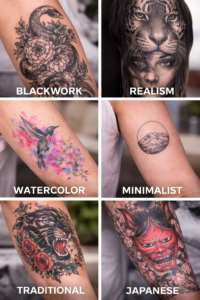
Getting your first tattoo is exciting, but it can also feel overwhelming. One of the biggest challenges for beginners is choosing the right style. With so many options available, from bold traditional designs to detailed realism, it is easy to feel unsure where to start.
Understanding different tattoo styles is the first step toward making a confident decision. Each style has its own look, technique, and long-term characteristics.
At Lab of Ink, we help clients navigate these choices every day. This beginner’s guide will break down the most popular tattoo styles and help you find the one that matches your vision.
Why Tattoo Style Matters
Tattoo style is more than just appearance. It affects how your tattoo is created, how it heals, and how it ages over time.
Choosing the right style ensures:
Your tattoo matches your aesthetic
The design works well with your body
The tattoo remains clear and readable long-term
A well-chosen style enhances both the design and the overall experience.
1. Traditional (Old School) Tattoos
Traditional tattoos are one of the oldest and most recognisable styles.
Key Features
Bold black outlines
Limited colour palette
Simple, iconic designs
Common Designs
Roses
Skulls
Anchors
Daggers
Why Choose It
Traditional tattoos are known for their durability and timeless appeal. They age well and remain visually strong over time.
2. Black and Grey Tattoos
This style uses shades of black to create depth and dimension.
Key Features
Smooth shading
Realistic tones
No colour
Common Designs
Portraits
Religious imagery
Detailed artwork
Why Choose It
Black and grey tattoos are versatile and timeless, making them a popular choice for both beginners and experienced collectors.
3. Realism Tattoos
Realism tattoos aim to replicate real-life images with high accuracy.
Key Features
Fine detail
Depth and texture
Photographic quality
Common Designs
Faces
Animals
Objects
Why Choose It
This style creates highly detailed and lifelike results, but it requires an experienced artist for the best outcome.
4. Fine Line Tattoos
Fine line tattoos focus on precision and minimalism.
Key Features
Thin, delicate lines
Minimal shading
Clean and subtle look
Common Designs
Small symbols
Script
Minimalist artwork
Why Choose It
Perfect for those who prefer understated and modern designs.
5. Blackwork Tattoos
Blackwork uses solid black ink to create bold designs.
Key Features
Heavy black areas
High contrast
Geometric or abstract patterns
Common Designs
Tribal-inspired patterns
Abstract shapes
Large-scale designs
Why Choose It
Blackwork is striking and modern, often used for larger pieces.
6. Neo-Traditional Tattoos
Neo-traditional builds on traditional style with more detail and colour.
Key Features
Bold outlines with added depth
Expanded colour palette
More intricate designs
Common Designs
Animals
Portraits
Decorative elements
Why Choose It
It combines the strength of traditional tattoos with more artistic flexibility.
7. Watercolour Tattoos
Watercolour tattoos mimic the look of painted artwork.
Key Features
Soft colour blends
Minimal outlines
Artistic appearance
Common Designs
Abstract designs
Floral pieces
Artistic compositions
Why Choose It
This style offers a unique, creative look, though it may require careful maintenance over time.
8. Script and Lettering Tattoos
Typography-based tattoos focus on words and phrases.
Key Features
Custom fonts
Clean line work
Personal meaning
Common Designs
Quotes
Names
Dates
Why Choose It
Ideal for meaningful tattoos that carry personal significance.
How to Choose the Right Tattoo Style
If you are new to tattoos, start by narrowing down your preferences.
Ask yourself:
Do I prefer bold or subtle designs?
Do I want colour or black and grey?
Is my tattoo personal or purely aesthetic?
Do I want something timeless or trend-driven?
Looking through portfolios and reference images can help you identify what you like.
Matching Style with Placement
Different styles work better in different areas.
Fine line: best for small, visible areas
Traditional: works well on arms and legs
Realism: ideal for larger, flatter areas
Blackwork: suited for bold placements like sleeves
Your artist will help adjust the design to fit your chosen placement.
The Importance of Choosing the Right Artist
Each tattoo style requires a specific skill set.
For example:
Fine line requires precision
Realism requires advanced shading techniques
Traditional requires strong line work
Choosing an artist who specialises in your chosen style is essential for the best results.
At Lab of Ink, we match clients with artists based on style to ensure high-quality work.
Common Mistakes Beginners Make
Avoid these common errors:
Choosing a design without considering style
Picking an artist who does not specialise in your style
Following trends without thinking long-term
Underestimating how the tattoo will age
Taking time to research and plan will lead to better outcomes.
Frequently Asked Questions
What is the best tattoo style for beginners?
Traditional and fine line styles are often recommended for beginners due to their simplicity and clarity
Do some styles last longer than others?
Yes. Bold styles like traditional tattoos tend to age better than very fine or delicate designs.
Can I combine different styles?
Yes. Many modern tattoos blend styles, but this should be done carefully with an experienced artist.
ow do I know if a style suits me?
Review portfolios, gather inspiration, and consult with your artist to refine your choice.