
Fine Line Tattoos: Are They Right for You?
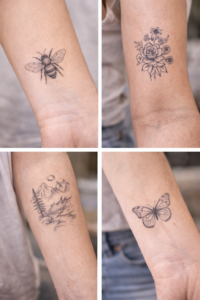
Fine line tattoos have become one of the most popular styles in modern tattooing. Known for their clean, delicate appearance and minimalist aesthetic, they appeal to those who want something subtle yet meaningful.
But while fine line tattoos look refined and effortless, they require careful consideration. From longevity to design limitations, there are important factors to understand before committing.
At Lab of Ink, we help clients decide whether fine line tattoos are the right fit for their vision. This guide breaks down the pros, cons, and long-term expectations of this increasingly popular style.
What Are Fine Line Tattoos?
Fine line tattoos are defined by their use of thin, precise lines and minimal shading. Unlike traditional tattoos that rely on bold outlines, this style focuses on subtle detail and simplicity.
Key Characteristics
Ultra-thin line work
Minimal or no shading
Clean, minimalist designs
Often small to medium in size
Fine line tattoos are often chosen for their understated and elegant look.
Why Fine Line Tattoos Are So Popular
The rise of fine line tattoos is driven by modern design trends that favour simplicity and subtlety.
Reasons for Their Popularity
Minimalist aesthetic
Suitable for first-time clients
Easy to place on smaller areas
Works well with personal or symbolic designs
They offer a more discreet alternative to bold, traditional tattoos.
Pros of Fine Line Tattoos
1. Clean and Minimal Aesthetic
Fine line tattoos are visually light and refined.
They are ideal for:
Subtle personal expressions
Professional environments
Clients who prefer understated designs
2. Versatile Design Options
Despite their simplicity, fine line tattoos can represent a wide range of ideas.
Popular choices include:
Script and lettering
Symbols and icons
Small illustrations
Abstract designs
3. Less Visually Heavy
Fine line tattoos blend naturally with the skin, making them less dominant compared to bold styles.
This makes them a great option for:
First tattoos
Small placements
Building a collection over time
4. Faster Tattoo Sessions
Because they often involve less shading and smaller designs, fine line tattoos can be completed more quickly than larger, detailed pieces.
Cons of Fine Line Tattoos
While fine line tattoos have clear advantages, they also come with limitations.
1. Longevity Concerns
Fine lines can fade or blur more quickly than bold tattoos.
Why This Happens
Thinner lines break down faster in the skin
Less pigment is used compared to bold styles
This does not mean they will disappear, but they may require touch-ups over time.
2. Requires a Highly Skilled Artist
Fine line work demands precision and control.
A poorly executed fine line tattoo may:
Heal unevenly
Blur or spread
Lose definition quickly
Choosing an experienced artist is essential.
3. Limited Design Complexity
Fine line tattoos are best suited for simpler designs.
Highly detailed concepts may not translate well in this style, especially at smaller sizes.
4. Higher Maintenance Over Time
Because of their delicate nature, fine line tattoos may need:
More frequent touch-ups
Careful sun protection
Proper long-term skin care
Do Fine Line Tattoos Last?
One of the most common questions is about longevity.
Fine line tattoos can last for years, but their appearance may change more noticeably over time compared to bold tattoos.
Factors That Affect Longevity
Placement on the body
Sun exposure
Skin type
Aftercare quality
With proper care, they can still age gracefully, but expectations should be realistic.
Best Placement for Fine Line Tattoos
Placement plays a major role in how well fine line tattoos hold up.
Best Areas
Forearm
Upper arm
Shoulder
Back
These areas experience less friction and sun exposure.
Areas to Be Cautious With
Hands and fingers
Feet
Areas with constant movement
Fine lines in these areas may fade faster.
How to Care for Fine Line Tattoos
Proper aftercare is essential to maintain the clarity of fine line work.
Aftercare Tips
Keep the tattoo clean and moisturised
Avoid direct sun exposure during healing
Use sunscreen once healed
Avoid picking or scratching
Long-term care is just as important as initial healing.
Are Fine Line Tattoos Good for First-Time Clients?
Yes, fine line tattoos are often recommended for beginners.
They are:
Less intimidating visually
Suitable for smaller designs
Easier to place discreetly
However, it is still important to choose a skilled artist to ensure quality results.
How to Choose the Right Artist for Fine Line Tattoos
Not all tattoo artists specialise in fine line work.
When choosing an artist:
Review their portfolio carefully
Look for clean, consistent lines
Check healed tattoo results
Ensure they have experience in fine line techniques
At Lab of Ink, we match clients with artists who specialise in precision-based styles.
Common Mistakes to Avoid
Avoid these common issues when considering fine line tattoos:
Choosing an inexperienced artist
Making the design too small or detailed
Ignoring placement factors
Neglecting aftercare
These mistakes can affect how your tattoo looks over time.
Frequently Asked Questions
Do fine line tattoos fade faster?
They can fade more quickly than bold tattoos, but proper care can extend their lifespan.
v
Pain levels depend on placement, but fine line tattoos are often quicker, which can make the process more manageable.
Can fine line tattoos be touched up?
Yes. Touch-ups are common and can restore clarity and detail.
Are fine line tattoos suitable for large designs?
They can be, but larger designs often benefit from a combination of fine lines and shading.