
Add Your Heading Text Here
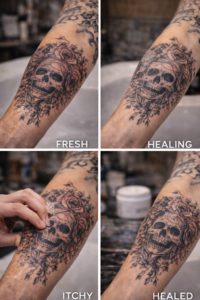
Getting a tattoo is an exciting experience, but the process does not end when you leave the studio. Healing is a crucial phase that determines how your tattoo will look long-term. Understanding the tattoo healing stages helps you take the right steps at the right time, ensuring your ink heals cleanly and retains its detail.
A properly healed tattoo should look vibrant, smooth, and well-defined. Poor healing, on the other hand, can lead to fading, patchiness, or infection.
At Lab of Ink, we guide every client through the healing journey. This article explains exactly what happens after you get tattooed and how to care for your skin during each stage.
Why Understanding Tattoo Healing Stages Matters
Tattoo healing is not a one-step process. Your skin goes through multiple phases as it repairs itself and locks in the pigment.
Knowing what to expect helps you:
Avoid unnecessary worry during normal healing
Prevent common aftercare mistakes
Protect your tattoo from damage
Ensure long-lasting results
Each stage requires slightly different care, and understanding these changes makes a significant difference.
Stage 1: Fresh Tattoo (Days 1 to 3)
This is the most sensitive stage of healing.
What Happens
Redness and swelling around the tattoo
Mild bleeding or oozing of plasma and ink
Skin feels sore and warm
Your tattoo is essentially an open wound at this point.
How to Care for It
Keep the bandage on for the time recommended by your artist
Wash gently with mild, unscented soap
Pat dry with a clean paper towel
Apply a thin layer of aftercare ointment
What to Avoid
Touching the tattoo with unwashed hands
Excessive movement or friction
Exposure to dirt or bacteria
This stage is all about protecting the tattoo from infection.
Stage 2: Scabbing and Peeling (Days 3 to 7)
As your skin begins to repair, you will notice visible changes.
What Happens
Light scabbing may form
Peeling begins, similar to sunburn
Itching becomes more noticeable
This stage can be uncomfortable but is completely normal.
How to Care for It
Continue gentle cleaning 2 to 3 times daily
Apply a light layer of moisturiser
Keep the tattoo clean and dry
What to Avoid
Scratching or picking at scabs
Over-moisturising
Tight clothing that causes friction
Removing scabs prematurely can pull ink from the skin and affect the final result.
Stage 3: Dry and Itchy Phase (Weeks 2 to 3)
At this stage, your tattoo may look less vibrant temporarily.
What Happens
Skin appears dry and slightly dull
Itching continues but becomes more manageable
Most visible peeling has finished
A thin layer of new skin is forming over the tattoo.
How to Care for It
Continue moisturising regularly
Stay hydrated to support skin repair
Keep the area protected from irritation
What to Avoid
Ignoring dryness
Exposing the tattoo to direct sunlight
Using harsh skincare products
This stage requires patience, as your tattoo may not look fully settled yet.
Stage 4: Final Healing (Weeks 4 to 6)
The deeper layers of skin complete the healing process.
What Happens
Skin texture returns to normal
Colours and details become clearer
The tattoo regains vibrancy
Although the tattoo may look healed earlier, full healing takes time beneath the surface.
How to Care for It
Continue basic skincare and hydration
Start using sunscreen to protect the tattoo
Maintain healthy skin habits
Proper care during this stage ensures long-term quality.
What Is Normal During Tattoo Healing
It is important to recognise normal healing signs:
Mild redness in the first few days
Peeling and flaking
Itching
Slight dullness before full clarity returns
These are all part of the natural healing process.
Signs Something May Be Wrong
While most tattoos heal without issues, watch for warning signs:
Spreading redness beyond the tattoo
Thick or coloured discharge
Severe swelling or pain
Fever or chills
If you notice any of these symptoms, seek professional advice immediately.
How Aftercare Changes Throughout Healing
Your aftercare routine should adapt as your tattoo heals.
Early Stage
Focus on cleanliness and protection
Middle Stage
Manage peeling and hydration
Final Stage
Maintain moisture and protect from sun exposure
Adjusting your care ensures optimal healing at every stage.
Common Mistakes During Healing
Avoid these common errors:
Picking or scratching the tattoo
Applying too much moisturiser
Using harsh or scented products
Exposing the tattoo to sun too early
Soaking the tattoo in water
Even small mistakes can impact the final appearance.
How Long Does a Tattoo Take to Fully Heal
While surface healing usually takes 2 to 3 weeks, full healing can take up to 6 weeks or longer depending on:
Tattoo size
Placement
Skin type
Aftercare consistency
Patience is essential for the best results.
Tips for Faster and Better Healing
To support your skin during healing:
Stay hydrated
Eat a balanced diet
Avoid alcohol in excess during early healing
Wear loose, breathable clothing
Follow your artist’s instructions carefully
These habits promote healthier skin and better outcomes.
The Lab of Ink Healing Approach
At Lab of Ink, we prioritise both artistry and aftercare.
We ensure every client receives:
Clear guidance for each healing stage
Professional product recommendations
Support throughout the healing process
Our goal is to help your tattoo heal perfectly and maintain its quality over time.
Frequently Asked Questions
Is it normal for my tattoo to peel?
Yes. Peeling is a natural part of the healing process and usually begins within the first week.
Why does my tattoo look dull while healing?
A layer of new skin forms over the tattoo, temporarily reducing vibrancy.
When can I go back to normal activities?
Light activities are fine after a few days, but avoid intense exercise and soaking for at least 2 weeks.
Do all tattoos heal the same way?
Healing can vary depending on size, placement, and individual skin type.