Tattoo Blowout: What It Is, Why It Happens, and the Fixes
LOT 20261001 · NO 27/43 · 750 WORDS · 3 MIN
Ink put in too deep spreads into the fat under the skin and blurs the lines within days. It does not fade; rework, a cover up or laser make it show less.
The short version
A blowout is ink in the wrong layer. A tattoo is meant to sit in the dermis, the layer under the surface of the skin. When the needle goes too deep, ink reaches the fat below it, and there it spreads instead of staying where it was put. The line you paid for gets a soft, smudged edge, as described in Healthline’s guide to tattoo blowouts.
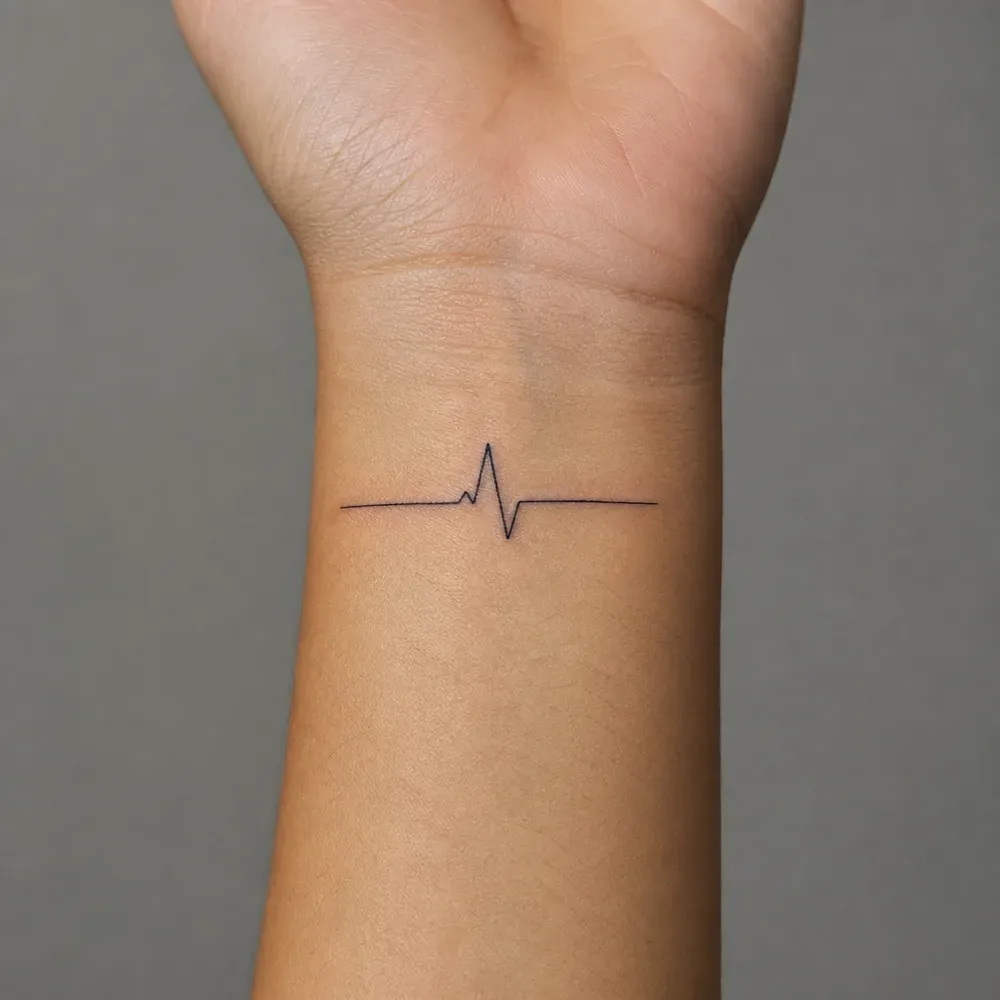
It matters most on fine line tattoos, because a fine line has nothing around it to hide a haze. A bold traditional outline can carry a little spread and still read as clean. A single-needle line on a wrist cannot.
Why it happens
Every cause comes back to where the needle stops.
- Too deep. Pressing too hard is the usual one. Healthline and Kingpin Tattoo Supply both put depth first.
- The wrong angle. Kingpin notes that a machine held at the wrong angle can put ink too shallow, which fades, or too deep, which spreads.
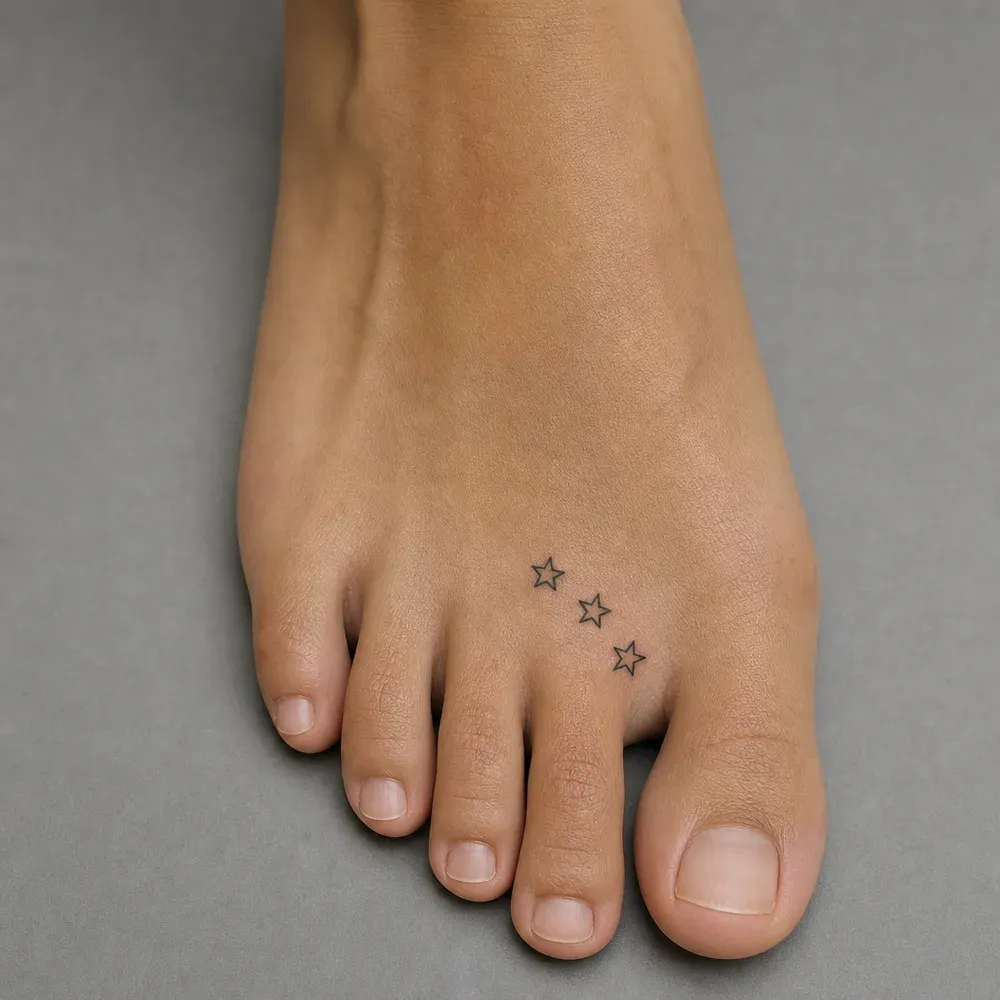
- Thin skin. The top of the foot, the inner arm, wrists, ankles, fingers and toes have less skin to work in, so the margin for error is smaller. Both sources list these spots.
- Older or damaged skin. Kingpin adds ageing or previously traumatised skin to the list, for the same reason.
It is an error of technique rather than something the skin decides to do. That is also why a careful artist will sometimes talk you out of the finest possible line on a spot like the inner wrist, or suggest a slightly heavier one.
Blowout, bruising, or ordinary ageing
Three things can look similar in the first fortnight, and only one of them is a blowout.
Bruising. Some people bruise after a session, especially on soft or thin skin. It looks like a shadow around the work and it fades over a week or two. If the haze is shrinking, it was bruising.
A blowout. Shows within the first several days and stays. The haze has ink in it, it follows the lines, and it does not fade as the skin heals.
Softening over years. Every tattoo softens slowly with time, and fine line shows it soonest. That is ageing rather than a blowout, and the fine line guide covers how the style holds up.
If you are not sure, wait until the tattoo has fully healed, around a month, before deciding. The healing stages guide explains what normal looks like along the way.
What can be done about it
Nothing makes ink that has spread go back where it was. What changes is how much it shows.
Rework. The haze can often be absorbed into the design: thicker lines, shading along the edge, or a background that sits over it. This is the most common fix and it needs the tattoo fully healed first. Healthline suggests waiting around two months.
Cover it with something new. If the design itself was never right, a cover up treats the blowout as part of old ink to work over. A darker or larger design is usually needed.
Laser first, then rework. Laser can lighten the spread ink over several sessions, which leaves more choice about what goes on top. Kingpin and Healthline both describe it, and both note it takes more than one visit.
Surgical removal. Cutting the tattoo out is the only method that removes it completely, and it leaves a scar. It is rarely the answer for a small blowout.
If you are thinking about any of these, a touch up is not one of them. A touch up fills gaps where ink did not hold. It cannot pull back ink that went too far.
How to make one less likely before you start
- Look at healed work, not only fresh photos. A blowout shows up in the healed pictures.
- Ask how an artist approaches fine line on thin skin before you book it there.
- Accept a slightly heavier line on the risky spots. It will look closer to the drawing in ten years as well.
Where to go next
The fine line tattoos guide is the place to start if you are planning delicate work, because it is the style where depth matters most. If you already have a blowout, the cover up guide explains what can be done with old ink, and white ink tattoos covers another kind of work that heals in ways the fresh photos do not show.
Fine line on thin skin, a wrist piece and an ankle piece, which is the combination where a blowout shows most.
Common questions
- What is a tattoo blowout?
- Ink that has been put in too deep, below the layer of skin meant to hold it, where it spreads into the fat underneath. The lines blur and a smudged haze appears around them.
- How soon does a tattoo blowout show?
- Within the first several days. Blurring that appears slowly over years is ordinary ageing, which every tattoo does to some degree.
- Can a tattoo blowout heal or go away?
- No. The ink is already under the skin where it spread. Bruising from the session can look similar for a week or two and does fade, which is why it is worth waiting before deciding it is a blowout.
- How do you fix a tattoo blowout?
- By reworking the design so the haze sits inside heavier lines or shading, by covering it with a new design, or by lightening it with laser first. Surgical removal exists and leaves a scar.
- Is a blowout caused by bad aftercare?
- No. A blowout happens in the chair, from the depth and angle of the needle. Aftercare decides how well the tattoo heals, not where the ink was placed.
Related guides
If you are in Luzon
The same artist who wrote none of the above runs a home tattoo service across Luzon: he brings the whole setup to your house and the kit stays sealed until it is opened in front of you. He covers Olongapo, Subic, Castillejos, San Marcelino, Bataan and Pampanga.
An enquiry that names the design idea, the placement, a rough size in centimetres and your town gets a proper answer. Transport is yours to pay on top of the tattoo, worked out from the distance and quoted with it.