Best Tattoo Placement: Choosing the Right Spot for Your Tattoo
LOT 20260320 · NO 03/26 · 851 WORDS · 4 MIN
Where it goes decides four separate things: how much it hurts, how fast it heals, how well it holds its detail, and who gets to see it.
Add Your Heading Text Here
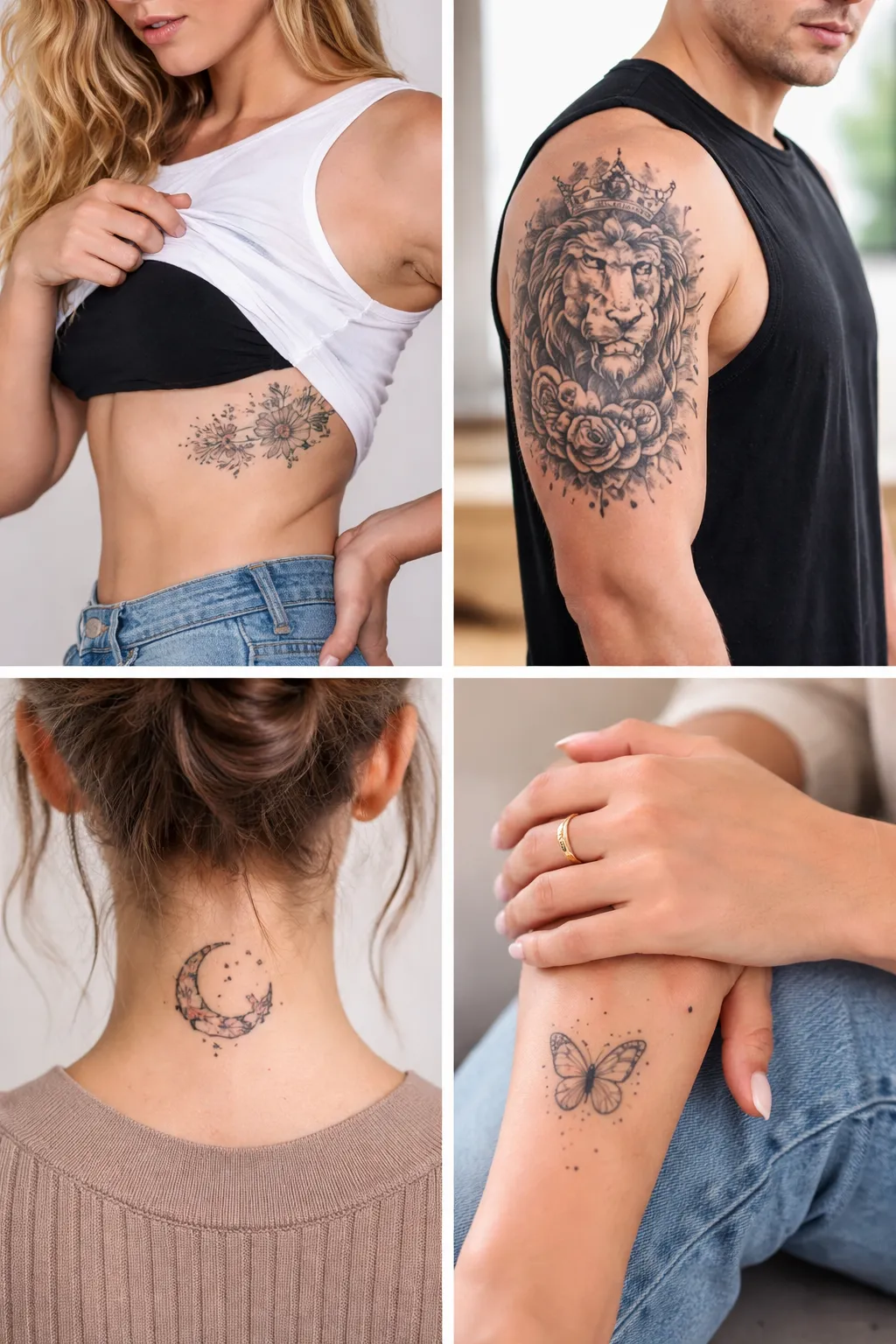
Choosing the right tattoo design is important, but where you place it on your body is just as crucial. Tattoo placement affects not only how your ink looks but also how it heals, ages, and fits into your lifestyle.
The same design can look completely different depending on where it is placed. Factors such as pain level, visibility, body shape, and long-term wear all play a role in making the right decision.
At Lab of Ink, we guide clients through both design and placement to ensure the best possible outcome. This guide will help you understand how to choose the best tattoo placement for your needs.
Why Tattoo Placement Matters
Tattoo placement influences several key aspects of your tattoo:
- How the design flows with your body
- How visible or discreet it is
- How painful the process will be
- How well the tattoo ages over time
A well-placed tattoo enhances the design, while poor placement can distort or limit its impact.
1. Pain Level by Placement Area
Pain is one of the biggest considerations when choosing where to get a tattoo. Different areas of the body have different sensitivity levels.
Low Pain Areas
- Outer arm
- Forearm
- Thigh
- Calves
These areas have more muscle and fat, making them more comfortable for most people.
Moderate Pain Areas
- Upper back
- Shoulders
- Chest
These areas may cause discomfort but are generally manageable.
High Pain Areas
- Ribs
- Spine
- Hands and fingers
- Feet and ankles
These areas have less cushioning and more nerve endings, making them more sensitive.
2. Visibility and Lifestyle Considerations
Your tattoo placement should align with your lifestyle and personal preferences.
Highly Visible Areas
- Hands
- Neck
- Forearms
These are great if you want your tattoo to be seen regularly.
Easily Concealed Areas
- Upper arm
- Back
- Thigh
These placements allow you to hide your tattoo when needed.
Things to Consider
- Work environment or dress code
- Personal comfort with visibility
- Long-term lifestyle changes
Choosing the right level of visibility ensures your tattoo fits your daily life.
3. How Placement Affects Design
Not all designs work well in every location.
Flat Areas
- Back
- Thigh
- Chest
Ideal for larger, detailed tattoos.
Curved or Moving Areas
- Arms
- Shoulders
- Calves
Best suited for designs that flow with the body.
Small Areas
- Wrist
- Ankle
- Behind the ear
Better for simple or minimal designs.
A good artist will adapt your design to fit the natural shape of your body.
4. Longevity and Aging of Tattoos
Some areas of the body hold tattoos better over time.
Areas That Age Well
- Upper arm
- Forearm
- Back
- Thigh
These areas experience less friction and sun exposure.
Areas That Fade Faster
- Hands and fingers
- Feet
- Inner lips
These areas are exposed to constant movement, friction, and environmental factors.
Choosing a placement with longevity in mind helps maintain your tattoo’s quality.
5. Healing and Aftercare by Placement
Healing can vary depending on where your tattoo is located.
Easier to Heal
- Outer arm
- Thigh
- Calves
These areas are easier to keep clean and protected.
More Challenging Areas
- Hands
- Feet
- Joints
These areas move frequently and may require extra care.
Proper aftercare is essential regardless of placement, but some areas require more attention than others.
6. Matching Placement to Tattoo Size
The size of your tattoo should match the placement.
Small Tattoos
- Wrist
- Ankle
- Behind the ear
Medium Tattoos
- Forearm
- Shoulder
- Calf
Large Tattoos
- Back
- Chest
- Full sleeve
Choosing the right size-to-placement ratio ensures your tattoo looks balanced and proportionate.
7. Personal Meaning and Placement
For many people, tattoo placement has personal significance.
Some choose:
- Visible areas to express identity
- Hidden areas for private meaning
- Specific placements linked to memories or symbolism
Your tattoo should reflect both your style and your story.
How to Choose the Best Placement for You
If you are unsure, ask yourself:
- Do I want my tattoo to be visible or hidden?
- How much pain am I comfortable with?
- Will this placement suit my design?
- How will this tattoo age over time?
Discussing these questions with your artist will help you make the best decision.
The Role of Your Tattoo Artist
An experienced artist will:
- Recommend the best placement for your design
- Adjust the design to fit your body
- Consider how the tattoo will age
- Ensure proper spacing and proportions
At Lab of Ink, we work closely with clients to find the perfect balance between design and placement.
Common Tattoo Placement Mistakes
Avoid these common errors:
- Choosing placement based only on trend
- Ignoring how the design fits the body
- Underestimating pain levels
- Not considering long-term fading
Taking the time to plan placement leads to better results.
Frequently Asked Questions
Common questions
- What is the least painful place to get a tattoo?
- Areas with more muscle and fat, such as the forearm or thigh, are generally less painful.
- Where do tattoos last the longest?
- Areas with less friction and sun exposure, such as the upper arm and back, tend to age better.
- Can I move a tattoo design to a different area?
- Yes, but the design may need to be adjusted to fit the new placement properly.
- Is placement important for small tattoos?
- Yes. Even small tattoos benefit from proper placement to ensure balance and longevity.
Related guides
If you are in Luzon
The same artist who wrote none of the above still travels to your home to do the work. An enquiry that names the design idea, the placement, a rough size in centimetres and your town gets a proper answer. Transport is charged on top of the tattoo.