Tattoo Numbing Cream: Does It Work, and Is It Safe
LOT 20261001 · NO 33/43 · 741 WORDS · 3 MIN
It dulls the surface sting for an hour or two. Keep it at 4% lidocaine or less, off large areas and unwrapped, and ask your artist before you use it.
When to stop reading and see a doctor
Read before the articleSee a doctor if you get
- Redness that spreads after day three instead of settling
- Heat, swelling or pain that increases instead of easing
- Thick yellow or green discharge, not the clear fluid of the first two days
- A fever
Healing is itchy, flaky and ugly in the middle, and that is the normal version. The four above are not, and they are a reason to see a doctor rather than to read another guide. This page cannot tell you which you have.
What it is, in one paragraph
A tattoo numbing cream is a skin anaesthetic. The common ones carry lidocaine, sometimes on its own and sometimes with a second drug such as prilocaine. You spread it on the area before the session, it soaks into the top of the skin, and for a while the surface does not register the needle as sharply. That is the whole of it.
If you are reading this because one spot on the tattoo pain chart worries you, start there. Which part of the body the tattoo sits on changes how much it hurts far more than any cream does, and moving a design a few centimetres is sometimes the better answer.
What it does and does not do
It dulls the scratch at the surface. People who use it usually describe the first stretch of the session as pressure and vibration rather than sting.
It does not reach everything. The ache that builds over a long sitting, the rawness when the artist goes back over skin already worked, and the pressure over bone all come through to some degree.
It wears off. The creams are generally put on 30 to 60 minutes before the needle starts and give something like one to two hours once they work, according to Rabble Rouser Tattoo’s guide to numbing cream. A small piece can be finished inside that window. A large one cannot, and the last part of the session is then on skin that has been worked for hours with no numbing left.
The safety limits, from the regulator
This is the part that matters most, and it is not opinion. In March 2024 the US Food and Drug Administration warned consumers about over-the-counter numbing products sold for cosmetic procedures, tattooing and piercing named among them. Its advice:
- Do not use an over-the-counter product with more than 4% lidocaine.
- Do not spread it thickly over a large area, or on irritated or broken skin.
- Do not wrap the treated skin in plastic wrap or any other dressing.
The reason is absorption. Too much of the drug through too much skin has caused irregular heartbeat, seizures and breathing difficulties. Those cases are rare, and every one of the three limits above is about keeping the dose small. A sleeve or a full back is exactly the kind of large area the warning describes, which is worth knowing before you plan to numb one.
Creams sold online sometimes carry no clear strength on the label at all. If you cannot read what is in it and how much, do not put it on.
Nothing on this page is medical advice. If you are pregnant, breastfeeding, have a heart condition, a skin condition or an allergy to any anaesthetic, ask a doctor or a pharmacist before using one.
Why some artists would rather you did not
A cream sits on the exact skin the artist is about to work, and some artists say it changes how the skin takes the needle and the ink. Rabble Rouser’s own guide puts it as a barrier on the surface that can make the needle harder to run evenly, and notes that pain is one of the signals an artist reads to judge depth. Others are happy for clients to use it.
That makes it a conversation to have before the day. If you would like to use one, say so in your enquiry and say which product, so the answer comes before you buy anything rather than at the door.
Things that help that are not a cream
Most of what makes a session easier is ordinary:
- Sleep properly the night before and eat a real meal beforehand.
- Ask for breaks. Nobody is grading how long you can sit.
- Split a big piece across more than one session. That does more for the hard spots than any cream.
- Pick the placement with the chart in front of you. The placement guide covers what each spot costs you in pain, healing and visibility.
Where to go next
The tattoo pain chart ranks every common placement and explains why the order comes out the way it does. If you are planning the tattoo itself, the consultation guide is the place to raise numbing cream along with everything else, and the home tattoo service page explains how a session at your own house runs.
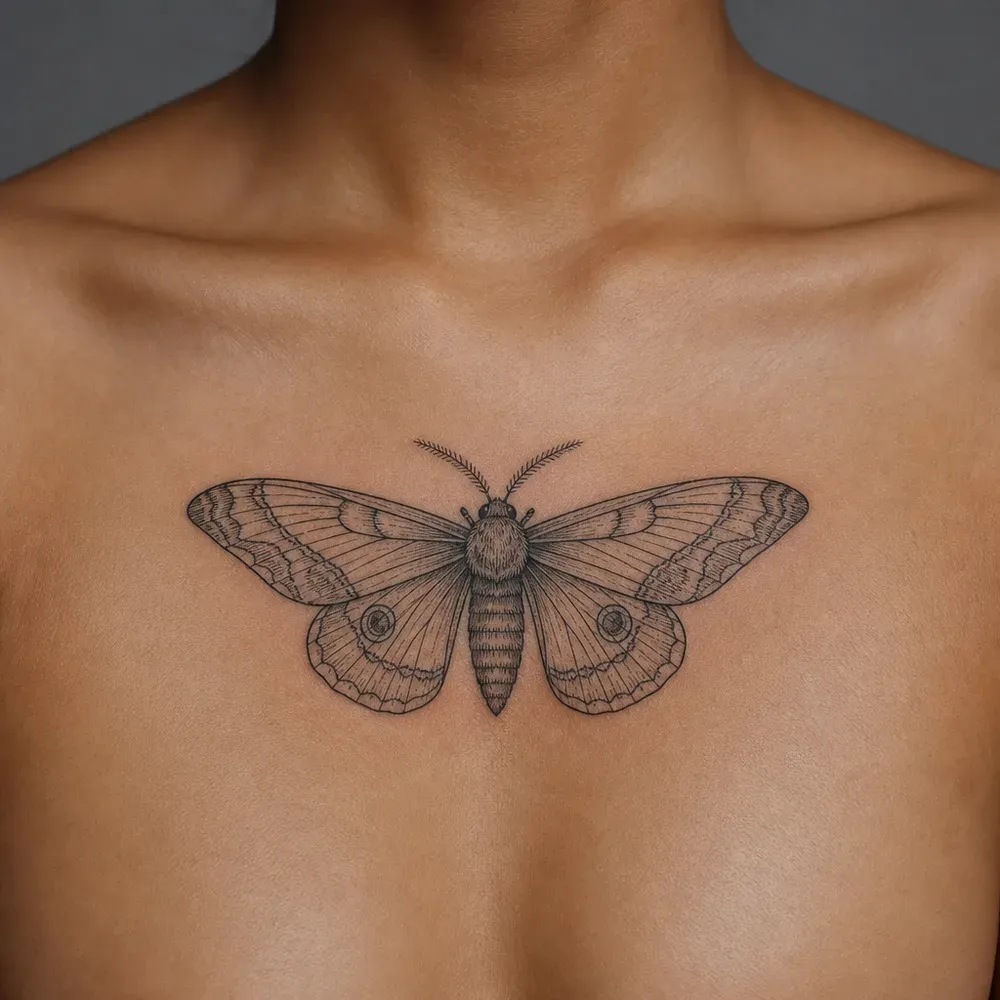
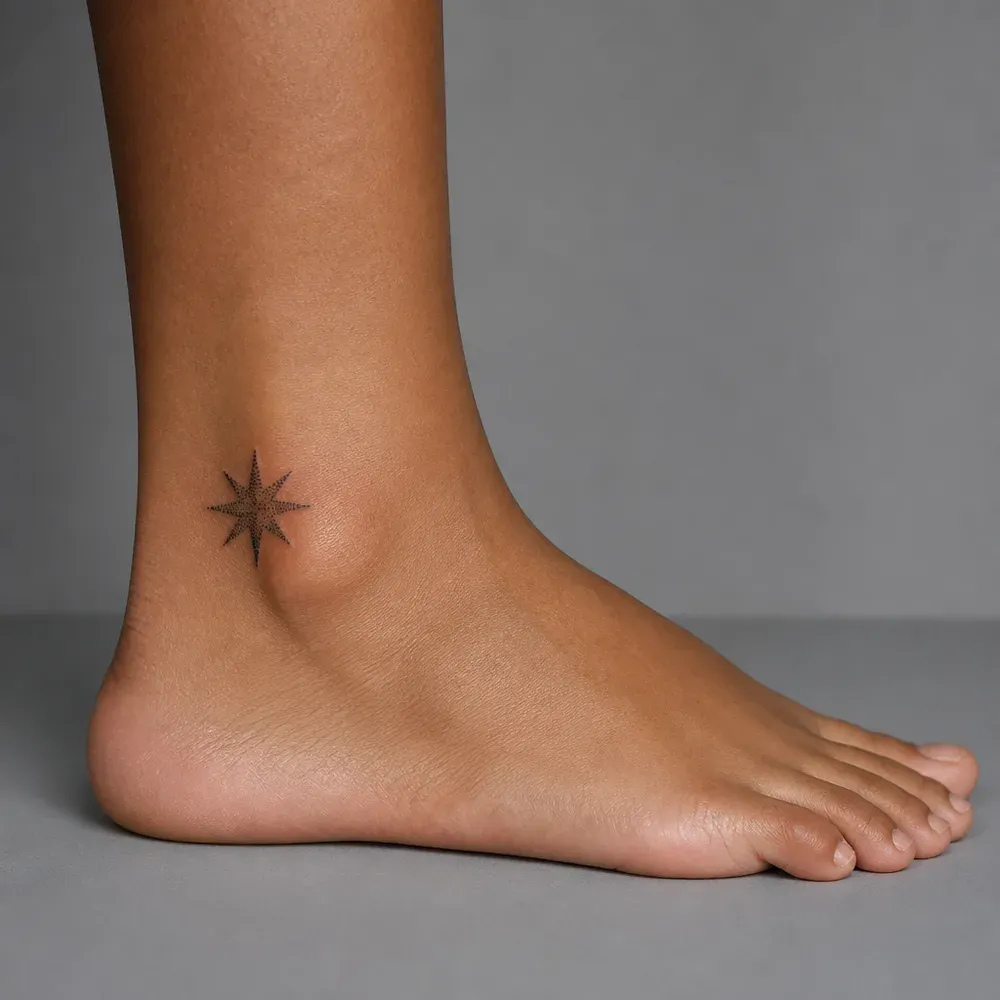
Two placements near the top of the pain chart, a sternum piece and an ankle piece, which are where people most often ask about numbing cream.
Common questions
- Does numbing cream work for tattoos?
- It takes the edge off the surface sting for a while, usually an hour or two once it has had time to work. It does not stop pressure or the ache of a long session, and it wears off before a big piece is finished.
- How long before a tattoo do you put numbing cream on?
- Most creams are put on 30 to 60 minutes before the needle starts. The label on the product you buy is the one to follow, and your artist needs to know before you put anything on.
- Is tattoo numbing cream safe?
- The US Food and Drug Administration warns against creams with more than 4% lidocaine, against spreading any of them thickly over a large area, and against wrapping the skin in plastic after putting it on. Used outside those limits they have caused irregular heartbeat, seizures and breathing difficulties.
- Do tattoo artists mind numbing cream?
- Some do and some do not. A cream sits on the skin the artist is about to work on, so ask in your enquiry before you buy one rather than turning up with it already on.
- Can I use numbing cream if I am pregnant or have a skin condition?
- That is a question for a doctor or a pharmacist, not a tattoo site. Ask them before you use it.
Related guides
If you are in Luzon
The same artist who wrote none of the above runs a home tattoo service across Luzon: he brings the whole setup to your house and the kit stays sealed until it is opened in front of you. He covers Olongapo, Subic, Castillejos, San Marcelino, Bataan and Pampanga.
An enquiry that names the design idea, the placement, a rough size in centimetres and your town gets a proper answer. Transport is yours to pay on top of the tattoo, worked out from the distance and quoted with it.